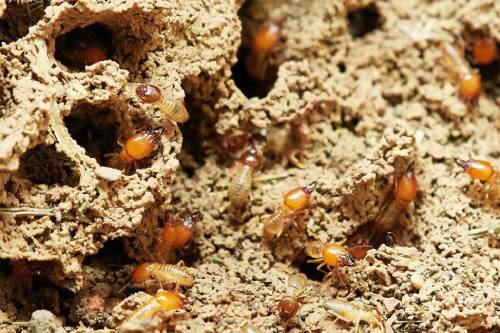
We’ve partnered with one of the leading pest control companies, Northwest Exterminators, to provide…
Read More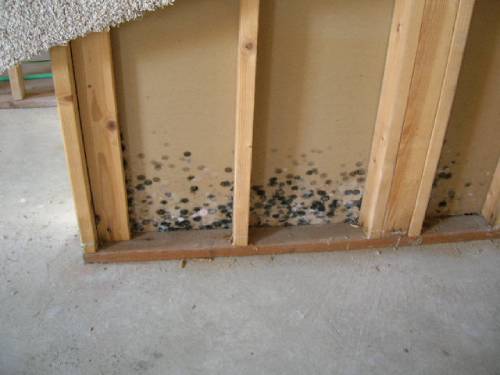
Mold is another scary threat to your family’s safety. No one wants to buy a house with a mold problem.…
Read More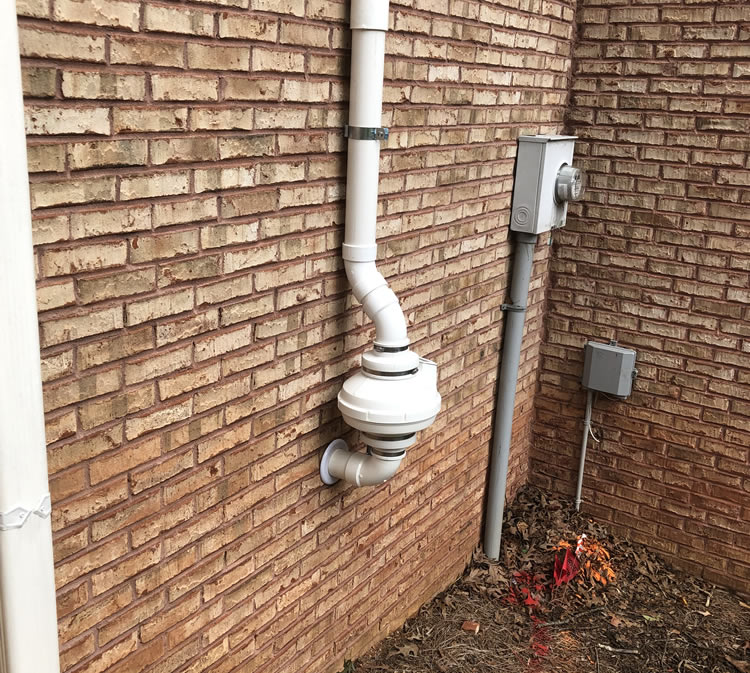
You have probably heard of termite testing for homes, but do you know the importance of a radon inspection?…
Read More
I have hired this company doing inspection on the property that I was planning to purchase in Georgia. I’ve live in California when this was done. Frank Cooper and his team did a great job of inspection and giving me with every details. I really appreciate the advice and the report. Thank you
Atlanta Property Inspections, Inc. was referred to us by our realtor for our home inspection. Our inspector was Cary Cooper. He really took the time to answer all of our questions about his findings. We didn't feel rushed or that any question was too silly. He gave us peace of mind with a few of our concerns and was honest, even if we weren't to thrilled with the news. Overall, it was a great experience and we would definitely use (and refer) Atlanta Property Inspections, Inc. in the future for any inspection needs.
Thorough knowledge of items addressed in report. Home inspector was able to communicate any issues found with buyer and help explain the different items and their severity.
Atlanta property inspections gave me a very competitor quote and stuck to it for final pricing. They were able to get someone out to do the inspection so quickly. Frank and James were very thorough and helpful during the process they encouraged me to look at what they found, the good and bad, so I knew exactly what I am buying. I couldn't have asked for a better inspection experience!
Atlanta Property Inspections came to do a pre-purchasing inspection on a home my husband and I plan to buy! We had a very short due diligence period, but that was no issue for these guys. They fit us in their schedule on very short notice and were such a pleasure to work with. Cary and Riley came to do the inspection and did a fantastic job walking us through the inspection to let us know what they found, and suggestions on how to fix all of the issues! Shout out to Cary, for answering all of our questions and having such a great personality! We truly appreciate you guys taking the time to help us through such a very stressful time. We HIGHLY recommend this company!
This was our first experience with Atlanta Property Inspections, Frank Cooper was the lead inspector and he was inspecting a new construction one bedroom plus den in Alpharetta for a buyer client of ours. The inspection report was both detailed and comprehensive. We have tried out a few premium home inspection companies over the past year, looking for a good additional inspection resource, and based on our experience with Frank Cooper, I think we have found it.
Dustin is VERY Detailed Oriented and found items and suggestions on the home that I would have never thought of, the report provided very good insight on how to move forward with the sale of the home! The staff at API was great to work with!
We are relocating from out of state and we were in need of an inspection with a very tight turn around. We received incredibly thorough reporting and an availability to answer questions quickly. Cary Cooper’s professional and expert insight saved us from a potential health hazard. I would very much recommend Atlanta Property Inspection for any of your inspection needs!
This was my first experience with Atlanta Property Inspections. Alex Sozonov was my inspector. Very oriented details and willing to explained all questions with professional knowledge. Report came into my email box late night. Clearly, it has been covered all details. Plus, show up on time.
I would like to recommend Brandon for his excellent job during the inspection. He is very professional, thorough and is an expert in his field. I enjoyed his partnership during inspection, the knowledge he shared of the risks of certain issues was incredible. I am very glad that he inspected the house for us and wishing him more success in future.

17 2026
Buying an older home can offer character, established landscaping, and a desirable location, but it can also come with plumbing problems hidden beneath the property. While a standard home inspection may reveal visible leaks or drainage concerns, it typically cannot show the full condition of an underground sewer line. A sewer scope inspection provides a closer look inside the pipe, helping buyers identify potential problems before committing to a purchase. Without this extra step, an expensive sewer repair could become an unexpected part of homeownership. Remember that this job should be handled by a dependable home inspection company.
Underground sewer pipes can deteriorate over decades, depending on their material, installation quality, soil conditions, and maintenance history. Older homes may have clay, cast iron, or other aging pipe materials that are vulnerable to cracks, corrosion, separated joints, and root intrusion.
Tree roots are a serious concern because they can enter through small openings in pipe joints and expand as they seek moisture. Once inside, roots may trap toilet paper and other waste, eventually restricting wastewater flow. Even if the home's drains appear to work normally during a showing, an underground sewer line may already have damage that has not progressed far enough to cause obvious symptoms.
During a sewer scope inspection, a home inspector or plumber feeds a specialized camera into an accessible sewer cleanout or another suitable entry point. The camera travels through the pipe, transmitting images that allow the technician to examine its interior condition.
The inspection can reveal obstructions, root growth, cracks, corrosion, misaligned joints, and sections where the pipe appears to be sagging or holding wastewater. It may also identify signs of a partial collapse or heavy buildup that could lead to recurring blockages.
The home inspection company can explain the findings and identify areas that may need further investigation. A camera inspection has limitations, however. It may not reveal every defect, especially when a blockage prevents the camera from passing through or when the damaged section cannot be accessed.
A sewer line problem can be costly because the pipe may run beneath driveways, landscaping, patios, or other structures. The final repair cost depends on the location and severity of the damage, pipe material, access requirements, and whether excavation or a suitable trenchless method is possible.
A sewer scope inspection gives buyers an opportunity to discover potential issues before closing. If the camera reveals significant damage, buyers can discuss repair estimates, request further evaluation, or negotiate with the seller where appropriate. The findings also help distinguish a manageable cleaning issue from structural damage that requires pipe repair or replacement.
Pay attention to recurring drain backups, multiple slow fixtures, gurgling toilets, sewage odors, or unusually wet areas in the yard. These signs do not automatically mean the sewer line is failing, but they have to be investigated. Ask about previous sewer repairs, the age of the line, and any available maintenance records. A seller's disclosure or a general home inspection should not replace a direct assessment of the underground pipe.
Older homes come with plenty of charm and a few surprises. Even if the property seems perfect, don’t skip the inspection—it’s better to be safe than sorry. Adding a sewer scope inspection to a home inspection can uncover costly hidden problems before they cost you an arm and a leg. At Atlanta Property Inspections, we are committed to helping both sellers and buyers transact with confidence. We have over 25 years of industry experience and a team of ASHI certified home inspectors. Call us now to schedule a home inspection appointment!