
If you want to stay ahead of costly repairs, learn how to prioritize inspection findings, schedule maintenance,…
Read More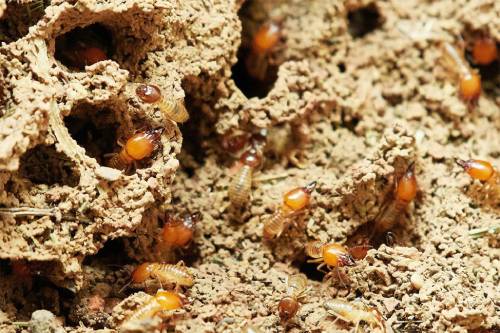
We’ve partnered with one of the leading pest control companies, Northwest Exterminators, to provide…
Read More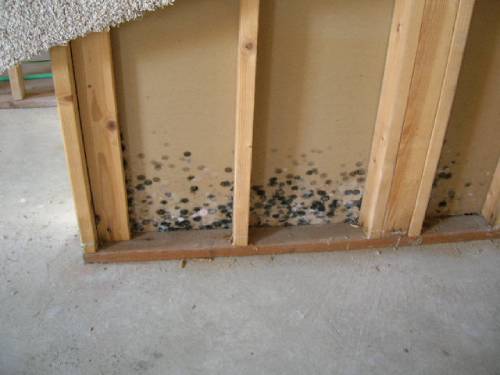
Mold is another scary threat to your family’s safety. No one wants to buy a house with a mold problem.…
Read More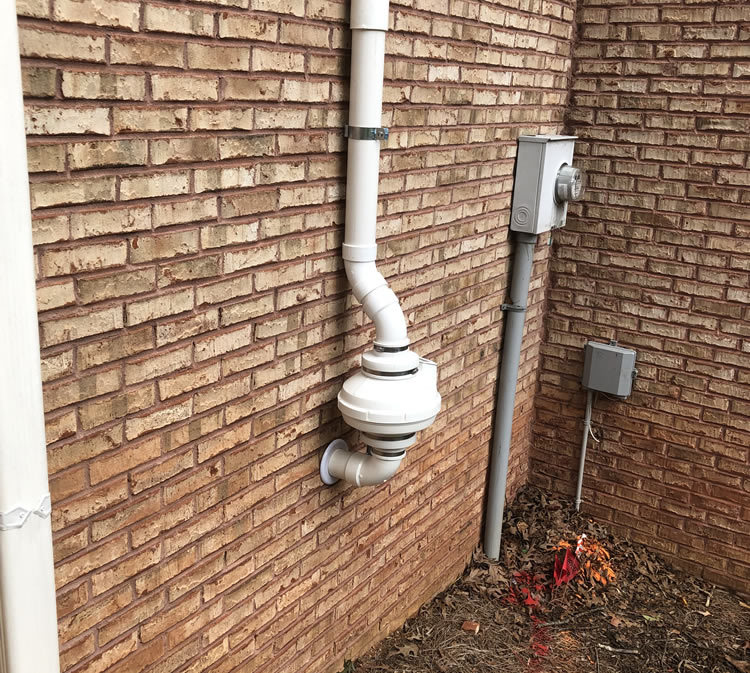
You have probably heard of termite testing for homes, but do you know the importance of a radon inspection?…
Read More
Atlanta Property Inspections came to do a pre-purchasing inspection on a home my husband and I plan to buy! We had a very short due diligence period, but that was no issue for these guys. They fit us in their schedule on very short notice and were such a pleasure to work with. Cary and Riley came to do the inspection and did a fantastic job walking us through the inspection to let us know what they found, and suggestions on how to fix all of the issues! Shout out to Cary, for answering all of our questions and having such a great personality! We truly appreciate you guys taking the time to help us through such a very stressful time. We HIGHLY recommend this company!
The inspector Frank came to our house to inspect the deck and provide a list of safety problems. While he was there we asked him to take a look at some termite damage in the attic. When he went to the attic he spotted problems with a squirrel infestation requiring immediate action to correct for chewed wiring and unsanitary conditions. We were unaware of this problem. Frank provided a comprehensive inspection report in PDF format including multiple photos showing deck post deterioration, sagging joists and yes even a picture of the live squirrel in the attic. Frank is totally professional, knows his area of expertise very well and offers sound recommendations on how to correct problems without spending money for unnecessary improvements. For example he told us the ledger board was in good shape and did not have to be replaced, only secured to the house wall with additional bolts. The small amount we paid for the inspection was well spent because the inspection will end up saving us money in the long run.
The inspector was really thorough and was patient in explaining to me what he was observing. He showed me where the shutoff valve was for the water and gave recommendations on various things. The report that was provided made sense and pictures were taken of some things that were found. The inspector was also very personable which put me at ease about asking questions. Thank you, Alex and Atlanta Property Inspections!
Jeremy was the best to work with! He was on time, very thorough in his explanations of his findings, and took time with my clients to make sure he answered all of their questions. He was detailed, and provided follow up when we needed additional questions answered. He went above and beyond! Best, quality, customer service I’ve seen in a long time! I’ll recommend him and Atlanta Property Inspections every time!
I have hired this company doing inspection on the property that I was planning to purchase in Georgia. I’ve live in California when this was done. Frank Cooper and his team did a great job of inspection and giving me with every details. I really appreciate the advice and the report. Thank you
My client used the company for their home inspection during their due diligence period. Jeremy and his partner were very kind and accommodating with answering questions. The report was very thorough and I like that they also note positive things about the homes in their report as well and not just what's wrong with the house. You can read the good and the bad.
Dustin is VERY Detailed Oriented and found items and suggestions on the home that I would have never thought of, the report provided very good insight on how to move forward with the sale of the home! The staff at API was great to work with!
This was our first experience with Atlanta Property Inspections, Frank Cooper was the lead inspector and he was inspecting a new construction one bedroom plus den in Alpharetta for a buyer client of ours. The inspection report was both detailed and comprehensive. We have tried out a few premium home inspection companies over the past year, looking for a good additional inspection resource, and based on our experience with Frank Cooper, I think we have found it.
WOW! I can't even make this story up. In this very crazy market (June 2021) it seemingly takes 2 week closing (sometimes with *0* days due diligence!) to purchase a home. Anyway, Frank came recommended by another very reputable inspector, and I was fortunate he came!! The home we were looking at for my mother was a 1975 build and within 1 hour of the inspector being there a FIRE from an electrical panel broke out! Frank contained the fire, and was SO calm, had his team address the matter, was in touch with the agent and homeowner. He said in over 20+ years of him inspecting homes nothing like this had ever happened. Anyway the inspection was VERY thorough and Frank handled all matters very professionally. We will be working with Frank and his team on any home inspections in the future. I highly recommend!
This was my first experience with Atlanta Property Inspections. Alex Sozonov was my inspector. Very oriented details and willing to explained all questions with professional knowledge. Report came into my email box late night. Clearly, it has been covered all details. Plus, show up on time.

29 2026
Fresh paint, polished floors, and modern fixtures can make a house look move-in ready, but attractive finishes do not tell the whole story. Beneath those cosmetic improvements, a property may have plumbing leaks, electrical defects, structural movement, or moisture problems that require expensive repairs. For homebuyers, overlooking these issues can turn an exciting purchase into a frustrating financial burden. Hiring a professional home inspection company helps uncover visible warning signs that a casual walkthrough might miss. Before signing on the dotted line, here are five hidden house flaws worth investigating.
A freshly painted wall can conceal more than an outdated color scheme. Sellers may repaint areas affected by previous leaks, condensation, or water intrusion, leaving buyers unaware of the underlying problem. Discoloration around ceilings, bubbling paint, soft drywall, and musty odors can indicate moisture concerns, although these signs may not always be visible.
Water damage can originate from leaking pipes, roof defects, poorly sealed windows, or inadequate drainage around the foundation. If the source remains unresolved, moisture can damage building materials and create conditions favorable to mold growth. A professional home inspection company looks for visible signs of water intrusion and may recommend further evaluation when moisture concerns arise.
Updated light fixtures and attractive outlets do not guarantee that a home's electrical system is in good condition. Older wiring, improperly installed connections, overloaded circuits, and missing safety protections can remain hidden behind walls or inside electrical panels.
Some electrical problems develop gradually, while others may result from previous renovations performed without appropriate expertise. During a home inspection, an inspector examines accessible electrical components for visible defects and other concerns. If the inspection identifies questionable wiring or unsafe installations, a licensed electrician can investigate further and determine what corrective work is needed.
A roof can look perfectly acceptable from the driveway while concealing deteriorated shingles, damaged flashing, or signs of previous leaks. Fresh paint on fascia boards and repaired ceiling stains may also distract buyers from potential roofing problems.
Roof defects can allow rainwater to enter the attic, damage insulation, and affect ceilings and wall framing. Depending on the property's design and accessibility, an inspector may examine the roof from the ground, a ladder, or by walking on accessible surfaces when safe. The inspection can identify visible concerns, but a dedicated roofing contractor may be needed to assess the roof's remaining service life or provide a repair estimate.
Small cracks in walls or floors do not automatically mean a house has serious structural damage, but their location, pattern, and progression deserve attention. Fresh drywall repairs and paint can make previous cracking less noticeable without addressing the underlying cause.
Foundation movement may relate to changing soil moisture, drainage problems, settlement, or other structural conditions. Buyers should look for additional warning signs, such as sticking doors, uneven floors, or cracks around window and door openings. A home inspector can document observable concerns and recommend an evaluation by a structural engineer when warranted.
A newly renovated bathroom may look impressive while aging supply lines, leaking connections, or poorly functioning drains remain unnoticed. Cabinet interiors, utility areas, and spaces around water heaters can provide clues, including damp surfaces, corrosion, water stains, and musty smells.
A home inspection company typically checks accessible plumbing fixtures and operates them to assess basic function, but concealed pipes and intermittent leaks may not be discovered during a standard inspection. If problems are suspected, a licensed plumber can conduct more detailed testing.
It’s common for sellers to give their properties a paint touch-up before listing them. There’s nothing wrong with that, but it’s also common for some sellers to hide certain house flaws. At Atlanta Property Inspections, we provide thorough home inspections and detailed reports delivered in a timely manner. Our ASHI certified home inspectors are committed to helping our clients make confident real estate decisions. Schedule your home inspection today or contact us with any questions. We are here to help you buy with confidence.