
Termite damage is estimated to affect more than half a million homes in the United States alone. While…
Read More
We’ve partnered with one of the leading pest control companies, Northwest Exterminators, to provide…
Read More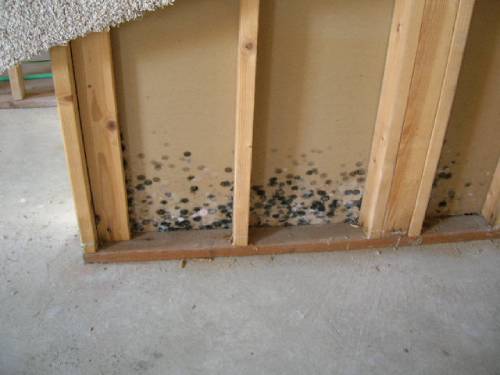
Mold is another scary threat to your family’s safety. No one wants to buy a house with a mold problem.…
Read More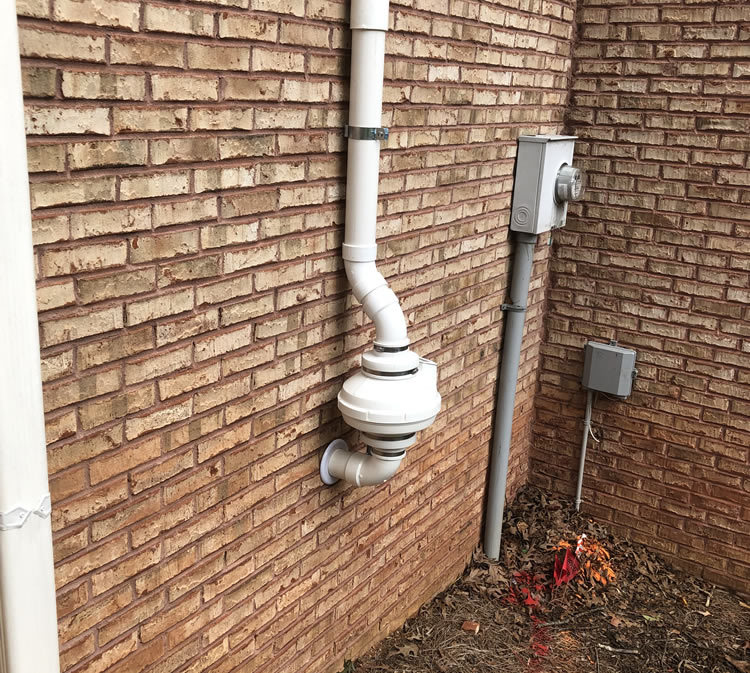
You have probably heard of termite testing for homes, but do you know the importance of a radon inspection?…
Read More
This was our first experience with Atlanta Property Inspections, Frank Cooper was the lead inspector and he was inspecting a new construction one bedroom plus den in Alpharetta for a buyer client of ours. The inspection report was both detailed and comprehensive. We have tried out a few premium home inspection companies over the past year, looking for a good additional inspection resource, and based on our experience with Frank Cooper, I think we have found it.
Have used Atlanta Property Inspections several times for my buyers. Their team is always very thorough and educational for the new home owners. Much information is shared about past/current codes, potential issues and how to have the issues repaired. I will continue to use Atlanta Property Inspectors for future inspections, and my clients have been very happy with their services as well!
This was my first experience with Atlanta Property Inspections. Alex Sozonov was my inspector. Very oriented details and willing to explained all questions with professional knowledge. Report came into my email box late night. Clearly, it has been covered all details. Plus, show up on time.
Thorough knowledge of items addressed in report. Home inspector was able to communicate any issues found with buyer and help explain the different items and their severity.
Atlanta Property Inspections came to do a pre-purchasing inspection on a home my husband and I plan to buy! We had a very short due diligence period, but that was no issue for these guys. They fit us in their schedule on very short notice and were such a pleasure to work with. Cary and Riley came to do the inspection and did a fantastic job walking us through the inspection to let us know what they found, and suggestions on how to fix all of the issues! Shout out to Cary, for answering all of our questions and having such a great personality! We truly appreciate you guys taking the time to help us through such a very stressful time. We HIGHLY recommend this company!
The inspector was really thorough and was patient in explaining to me what he was observing. He showed me where the shutoff valve was for the water and gave recommendations on various things. The report that was provided made sense and pictures were taken of some things that were found. The inspector was also very personable which put me at ease about asking questions. Thank you, Alex and Atlanta Property Inspections!
Jeremy was the best to work with! He was on time, very thorough in his explanations of his findings, and took time with my clients to make sure he answered all of their questions. He was detailed, and provided follow up when we needed additional questions answered. He went above and beyond! Best, quality, customer service I’ve seen in a long time! I’ll recommend him and Atlanta Property Inspections every time!
I have hired this company doing inspection on the property that I was planning to purchase in Georgia. I’ve live in California when this was done. Frank Cooper and his team did a great job of inspection and giving me with every details. I really appreciate the advice and the report. Thank you
WOW! I can't even make this story up. In this very crazy market (June 2021) it seemingly takes 2 week closing (sometimes with *0* days due diligence!) to purchase a home. Anyway, Frank came recommended by another very reputable inspector, and I was fortunate he came!! The home we were looking at for my mother was a 1975 build and within 1 hour of the inspector being there a FIRE from an electrical panel broke out! Frank contained the fire, and was SO calm, had his team address the matter, was in touch with the agent and homeowner. He said in over 20+ years of him inspecting homes nothing like this had ever happened. Anyway the inspection was VERY thorough and Frank handled all matters very professionally. We will be working with Frank and his team on any home inspections in the future. I highly recommend!
Dustin was very knowledgeable and friendly and made my client feel confident in his explanations. He was quick to point out the positives of the home he was inspecting. His report was delivered within 18 hours of the inspection and had plenty of photos and very easy explanations in laymen's terms. I highly recommend Atlanta Property Inspections.

22 2026
Receiving a home inspection report can feel overwhelming, especially when it contains pages of notes about plumbing, electrical systems, roofing, and structural components. A list of defects may make you wonder whether the property is worth buying or whether you're facing thousands of dollars in unexpected repairs. However, not every finding indicates a major problem. Some issues require immediate attention, while others involve routine maintenance or minor improvements. Understanding the difference helps you evaluate the property realistically, ask better questions, and make informed decisions without unnecessary stress.
Start by identifying findings that could affect the safety of occupants or cause further property damage. Exposed electrical wiring, suspected structural movement, significant roof leaks, and damaged gas connections deserve attention from qualified professionals. These problems may require further evaluation before you proceed with a purchase.
Other findings may be less urgent. A dripping faucet, loose cabinet handle, worn caulking, or sticking interior door involves a smaller repair. These items still matter, but they should not carry the same weight as a potentially hazardous electrical fault or active water intrusion. Read each finding in context rather than treating every recommendation as an emergency.
Home inspectors document visible conditions and recommend further evaluation when something needs closer examination. A note about a possible roof defect, for example, does not automatically mean the entire roof needs replacement. Similarly, a comment about moisture near a wall may indicate a leak, condensation, or another issue that requires investigation.
Pay attention to phrases such as "further evaluation recommended" or "not inspected." These statements generally indicate uncertainty, limited access, or a need for a specialist to assess the condition. They are not proof that a major defect exists, but they should not be ignored. Ask the inspector to clarify the concern and explain what type of follow-up inspection may be appropriate.
A long inspection report does not necessarily mean a house is in poor condition. Older homes may have more maintenance items simply because their systems and finishes have been in use for decades. Meanwhile, a newer property can still have serious defects.
Focus on the likely consequences, repair costs, and urgency of each issue. A minor plumbing leak may be inexpensive to fix if addressed early, but prolonged moisture can damage cabinets, flooring, and wall materials. A roof nearing the end of its useful life may not need immediate replacement, yet it should be included in your budget.
When the report identifies a potentially expensive issue, consider obtaining an assessment from the relevant professional. A licensed electrician can evaluate questionable wiring, a plumber can investigate recurring drainage or water pressure problems, and a qualified roofing contractor can estimate the remaining service life of a roof.
Specialist evaluations can help distinguish a straightforward repair from a larger underlying problem. They also provide more useful cost information than general inspection notes alone. Depending on your purchase agreement and local rules, you may be able to negotiate repairs, request a credit, or reconsider the purchase.
Understanding how to read your home inspection report is essential to help you spot safety hazards, negotiate repairs with the seller, and plan for future maintenance. We all know that no home is flawless—even brand-new construction can have serious defects from rushed timelines or mistakes made by multiple subcontractors. It is always a good idea to get a home inspection before buying or selling a home. Atlanta Property Inspections is a local home inspection company that is renowned for offering dependable home inspection services. For over 25 years, we’ve been offering dependable home inspections backed by a satisfaction guarantee. Contact us today!