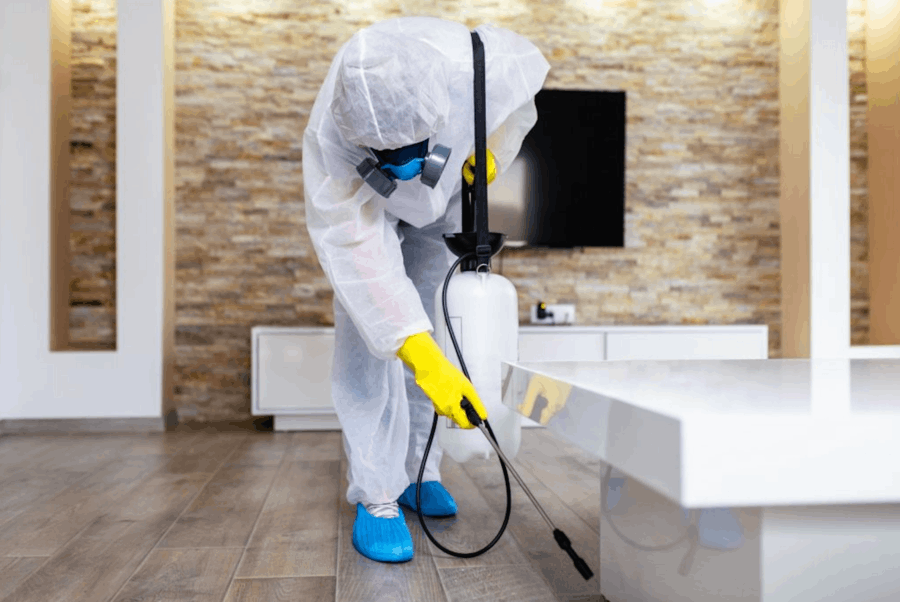

We’ve partnered with one of the leading pest control companies, Northwest Exterminators, to provide…
Read More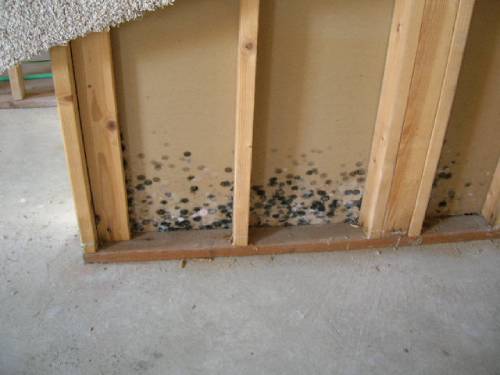
Mold is another scary threat to your family’s safety. No one wants to buy a house with a mold problem.…
Read More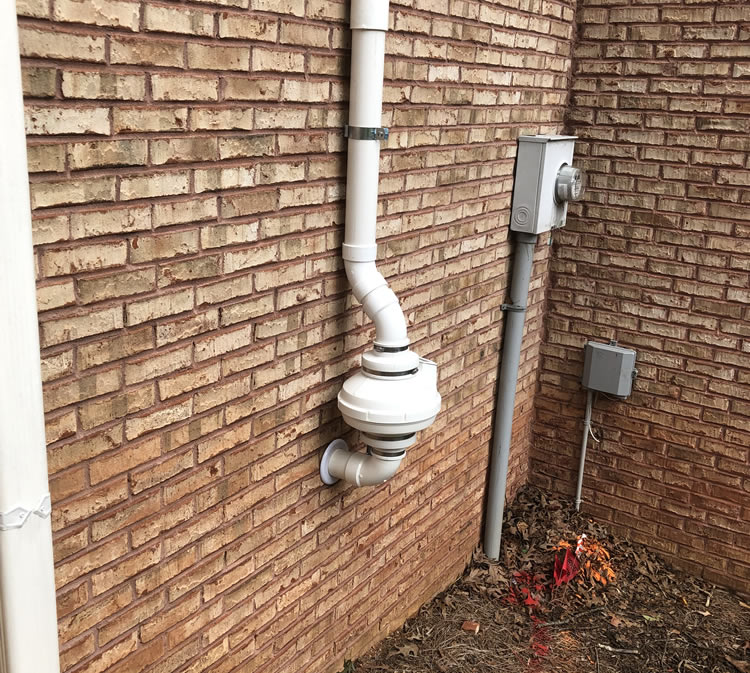
You have probably heard of termite testing for homes, but do you know the importance of a radon inspection?…
Read More
I would like to recommend Brandon for his excellent job during the inspection. He is very professional, thorough and is an expert in his field. I enjoyed his partnership during inspection, the knowledge he shared of the risks of certain issues was incredible. I am very glad that he inspected the house for us and wishing him more success in future.
Dustin was very knowledgeable and friendly and made my client feel confident in his explanations. He was quick to point out the positives of the home he was inspecting. His report was delivered within 18 hours of the inspection and had plenty of photos and very easy explanations in laymen's terms. I highly recommend Atlanta Property Inspections.
Atlanta property inspections gave me a very competitor quote and stuck to it for final pricing. They were able to get someone out to do the inspection so quickly. Frank and James were very thorough and helpful during the process they encouraged me to look at what they found, the good and bad, so I knew exactly what I am buying. I couldn't have asked for a better inspection experience!
Dustin is VERY Detailed Oriented and found items and suggestions on the home that I would have never thought of, the report provided very good insight on how to move forward with the sale of the home! The staff at API was great to work with!
Jeremy was the best to work with! He was on time, very thorough in his explanations of his findings, and took time with my clients to make sure he answered all of their questions. He was detailed, and provided follow up when we needed additional questions answered. He went above and beyond! Best, quality, customer service I’ve seen in a long time! I’ll recommend him and Atlanta Property Inspections every time!
This was our first experience with Atlanta Property Inspections, Frank Cooper was the lead inspector and he was inspecting a new construction one bedroom plus den in Alpharetta for a buyer client of ours. The inspection report was both detailed and comprehensive. We have tried out a few premium home inspection companies over the past year, looking for a good additional inspection resource, and based on our experience with Frank Cooper, I think we have found it.
Dustin was absolutely amazing. He did such a thorough job and was super friendly and helpful in explaining everything to me as a first-time homeowner. Highly recommend this company! Very timely and professional throughout the entire process as well!
Have used Atlanta Property Inspections several times for my buyers. Their team is always very thorough and educational for the new home owners. Much information is shared about past/current codes, potential issues and how to have the issues repaired. I will continue to use Atlanta Property Inspectors for future inspections, and my clients have been very happy with their services as well!
Thorough knowledge of items addressed in report. Home inspector was able to communicate any issues found with buyer and help explain the different items and their severity.
We are relocating from out of state and we were in need of an inspection with a very tight turn around. We received incredibly thorough reporting and an availability to answer questions quickly. Cary Cooper’s professional and expert insight saved us from a potential health hazard. I would very much recommend Atlanta Property Inspection for any of your inspection needs!

06 2026
A home inspection is among the most essential steps during the homebuying process. It evaluates the condition of a home, bringing to your attention all of the issues with the property before you sign the papers. In any given home, it is common to find issues that need to be addressed before closing the deal. That said, there are three key aspects that are given top priority during a home inspection in Atlanta, GA. These include the foundation, roof, and electrical system.
In this post, Atlanta Property Inspections looks into the foundation, roof, and electrical red flags in home inspections, so you are better prepared for the process.
The foundation supports the entire structure, so even minor movement deserves attention. Not every crack indicates a serious problem, but certain patterns may point to structural settlement or shifting.
Home inspectors commonly look for stair-step cracks in brickwork, wide foundation cracks, uneven floors, doors or windows that stick, and gaps around window or door frames. These issues can suggest that parts of the home have moved over time.
Poor drainage around the property is another concern. Water collecting near the foundation can erode supporting soil and increase the risk of settlement. A home inspection company also checks crawl spaces and basements for moisture intrusion, standing water, mold, or damaged support beams that could indicate long-term structural concerns.
The roof protects every part of the home beneath it. Even a small roofing problem can allow water to enter the attic, insulation, ceilings, and walls.
During a home inspection, damaged or missing shingles are among the first items noted. Home inspectors also examine flashing around chimneys, vents, skylights, and roof valleys because these areas are common sources of leaks.
Sagging roof sections may indicate weakened framing or water damage beneath the roofing materials. Inside the attic, inspectors look for water stains, damp insulation, mold growth, poor ventilation, and signs that previous leaks have gone unrepaired.
The estimated age of the roof also plays a role. Even if no active leaks are present, an aging roof nearing the end of its expected lifespan may require replacement in the near future. Roof repair or replacement doesn’t come cheap, and you don’t want to discover issues after you’ve signed the papers.
Electrical defects are among the most important findings during a home inspection because they can increase the risk of shock or fire. Most electrical issues remain hidden behind walls until they pose safety hazards.
Home inspectors begin by examining the main electrical panel for signs of overheating, corrosion, loose connections, double-tapped breakers, or improper wiring. Burn marks or melted insulation around breakers require further evaluation.
Throughout the home, outlets are tested for proper grounding and polarity. Missing GFCI protection in kitchens, bathrooms, garages, laundry rooms, and outdoor locations is another common finding.
Older homes may contain outdated wiring systems that no longer meet modern electrical demands. Overloaded circuits, extension cords used as permanent wiring, exposed conductors, or amateur electrical modifications are all issues that inspectors document. A home inspection company has the expertise to uncover all electrical problems and offer professional recommendations.
No matter what you do, never waive a home inspection. It can be a costly decision to say the least. In today’s hot market, it can be tempting to forgo the inspection. But doing so, you won’t truly know the condition of the property you are buying. If you’re looking for a trusted home inspection company, get in touch with Atlanta Property Inspections. We have over 25 years of experience providing comprehensive home inspection services. Call us to book your inspection today and get a professional assessment of your potential new home.