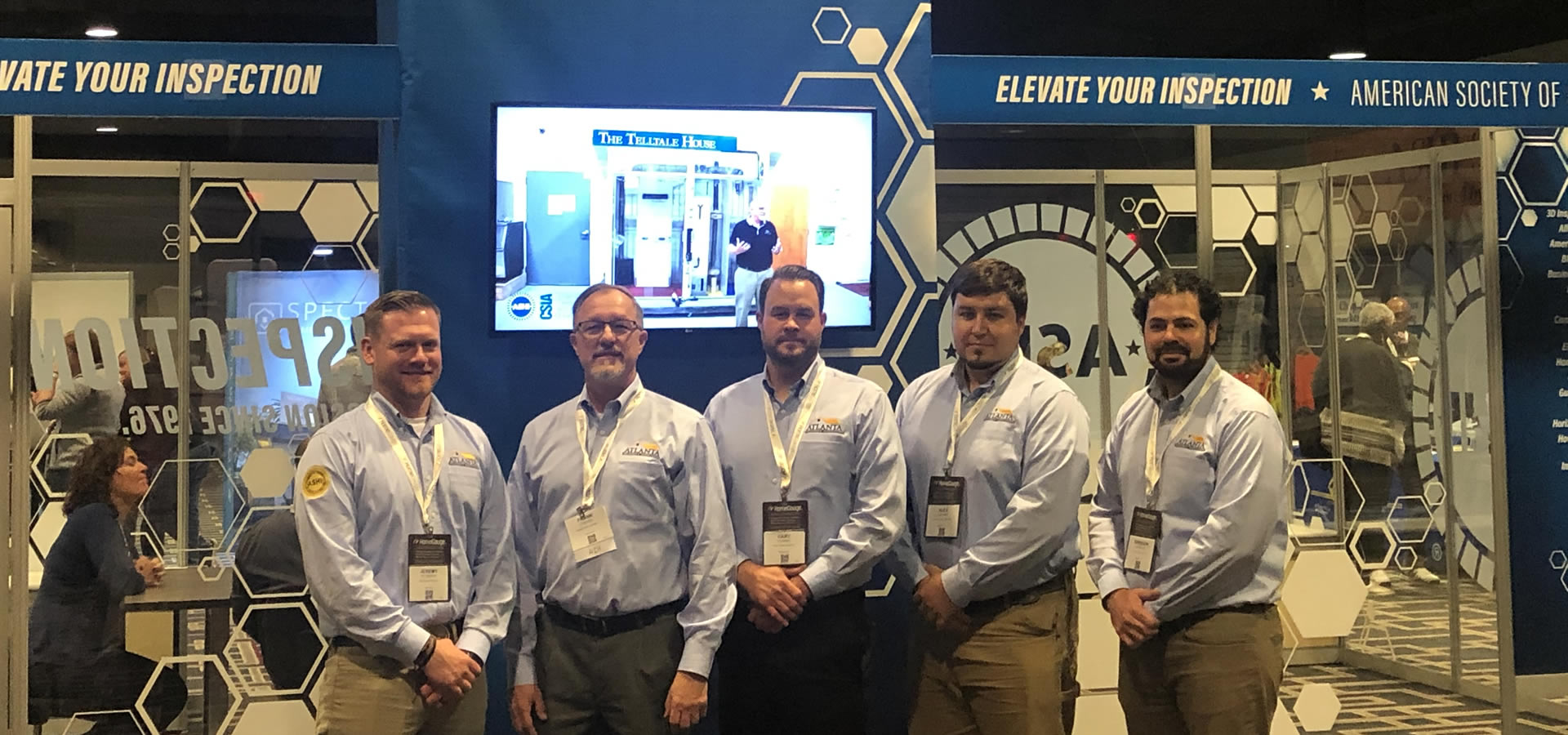

We’ve partnered with one of the leading pest control companies, Northwest Exterminators, to provide…
Read More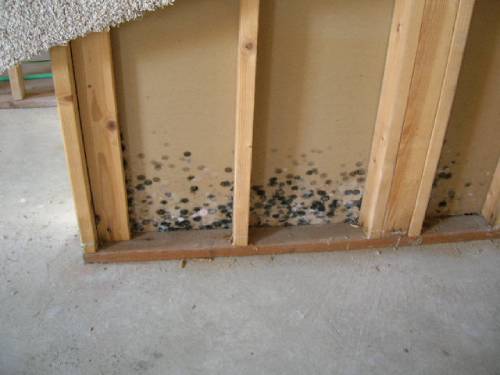
Mold is another scary threat to your family’s safety. No one wants to buy a house with a mold problem.…
Read More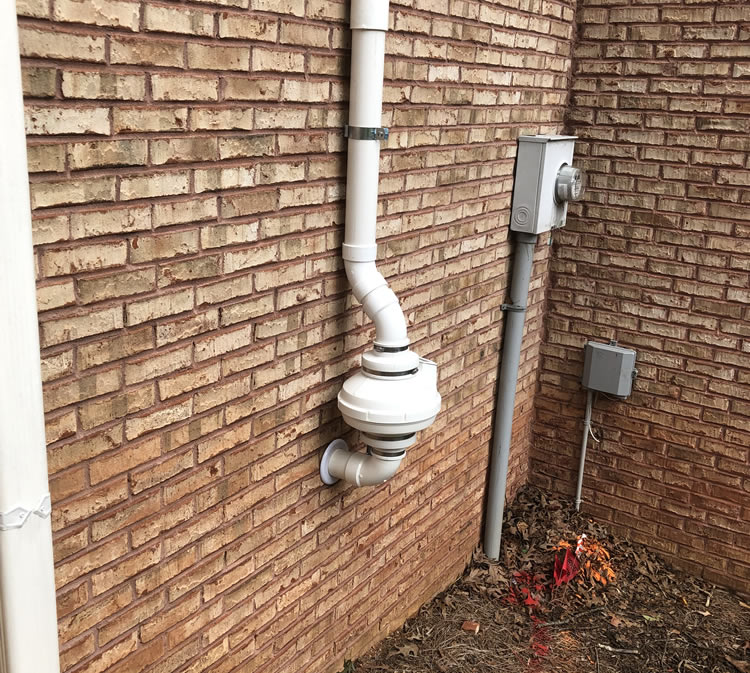
You have probably heard of termite testing for homes, but do you know the importance of a radon inspection?…
Read More
I would like to recommend Brandon for his excellent job during the inspection. He is very professional, thorough and is an expert in his field. I enjoyed his partnership during inspection, the knowledge he shared of the risks of certain issues was incredible. I am very glad that he inspected the house for us and wishing him more success in future.
Jeremy was the best to work with! He was on time, very thorough in his explanations of his findings, and took time with my clients to make sure he answered all of their questions. He was detailed, and provided follow up when we needed additional questions answered. He went above and beyond! Best, quality, customer service I’ve seen in a long time! I’ll recommend him and Atlanta Property Inspections every time!
Have used Atlanta Property Inspections several times for my buyers. Their team is always very thorough and educational for the new home owners. Much information is shared about past/current codes, potential issues and how to have the issues repaired. I will continue to use Atlanta Property Inspectors for future inspections, and my clients have been very happy with their services as well!
My client used the company for their home inspection during their due diligence period. Jeremy and his partner were very kind and accommodating with answering questions. The report was very thorough and I like that they also note positive things about the homes in their report as well and not just what's wrong with the house. You can read the good and the bad.
Dustin is VERY Detailed Oriented and found items and suggestions on the home that I would have never thought of, the report provided very good insight on how to move forward with the sale of the home! The staff at API was great to work with!
The inspector Frank came to our house to inspect the deck and provide a list of safety problems. While he was there we asked him to take a look at some termite damage in the attic. When he went to the attic he spotted problems with a squirrel infestation requiring immediate action to correct for chewed wiring and unsanitary conditions. We were unaware of this problem. Frank provided a comprehensive inspection report in PDF format including multiple photos showing deck post deterioration, sagging joists and yes even a picture of the live squirrel in the attic. Frank is totally professional, knows his area of expertise very well and offers sound recommendations on how to correct problems without spending money for unnecessary improvements. For example he told us the ledger board was in good shape and did not have to be replaced, only secured to the house wall with additional bolts. The small amount we paid for the inspection was well spent because the inspection will end up saving us money in the long run.
Dustin was very knowledgeable and friendly and made my client feel confident in his explanations. He was quick to point out the positives of the home he was inspecting. His report was delivered within 18 hours of the inspection and had plenty of photos and very easy explanations in laymen's terms. I highly recommend Atlanta Property Inspections.
WOW! I can't even make this story up. In this very crazy market (June 2021) it seemingly takes 2 week closing (sometimes with *0* days due diligence!) to purchase a home. Anyway, Frank came recommended by another very reputable inspector, and I was fortunate he came!! The home we were looking at for my mother was a 1975 build and within 1 hour of the inspector being there a FIRE from an electrical panel broke out! Frank contained the fire, and was SO calm, had his team address the matter, was in touch with the agent and homeowner. He said in over 20+ years of him inspecting homes nothing like this had ever happened. Anyway the inspection was VERY thorough and Frank handled all matters very professionally. We will be working with Frank and his team on any home inspections in the future. I highly recommend!
Dustin was absolutely amazing. He did such a thorough job and was super friendly and helpful in explaining everything to me as a first-time homeowner. Highly recommend this company! Very timely and professional throughout the entire process as well!
This was our first experience with Atlanta Property Inspections, Frank Cooper was the lead inspector and he was inspecting a new construction one bedroom plus den in Alpharetta for a buyer client of ours. The inspection report was both detailed and comprehensive. We have tried out a few premium home inspection companies over the past year, looking for a good additional inspection resource, and based on our experience with Frank Cooper, I think we have found it.
28 2026
Foundation cracks can stir up anxiety the moment you notice them stretching across concrete walls or floors. Thoughts about structural damage, costly repairs, and a complicated home inspection start racing through your mind. Selling a property or preparing for a refinance makes those cracks feel even more urgent, especially with experienced home inspectors in Atlanta, GA trained to spot minor structural concerns. Questions about disclosure, repair costs, and buyer reactions add another layer of stress.
In this blog post, our professionals from Atlanta Property Inspections will discuss whether addressing foundation cracks before a home inspection is the right move for your situation.
Not every crack signals a structural disaster, and recognizing the difference can prevent unnecessary panic. Hairline cracks often result from normal settling as concrete cures and shifts slightly over time. Wider cracks or horizontal fractures may indicate significant foundation movement. Soil expansion, drainage problems, seismic activity, and poor construction techniques can all contribute to cracking. A reputable home inspection company will evaluate the size, direction, and location of cracks to determine whether they are cosmetic or structural. Knowing this distinction empowers you to make informed repair decisions rather than reacting emotionally.
During a home inspection, foundation cracks are carefully documented along with any related symptoms such as uneven floors, sticking doors, or moisture intrusion. Home inspectors are trained to observe patterns and measure crack widths to determine potential movement. Although they do not perform structural engineering assessments, their reports often recommend further evaluation if cracks appear concerning. The language used in a home inspection report can influence buyer perception, lender requirements, and negotiation dynamics. Understanding that inspectors focus on transparency rather than alarm helps you anticipate how cracks may be presented in official documentation.
Addressing foundation cracks before scheduling a home inspection can provide a sense of control over the transaction. Professional repairs completed by a qualified contractor demonstrates responsibility and reduces uncertainty for buyers. Documentation of the repair process, warranties, and invoices can reassure both purchasers and real estate agents. Taking proactive steps may also minimize the risk of extended negotiations or price reductions based on inspection findings. In competitive markets, presenting a well-maintained property without visible structural concerns can strengthen buyer confidence and streamline the sale process.
Rushing into foundation crack repairs without proper evaluation may create unintended complications. Superficial patching can appear cosmetic and raise suspicion if underlying structural issues remain unaddressed. Some buyers prefer to see cracks in their original state rather than freshly sealed areas that lack documentation. Improper repairs may even be flagged by home inspectors, prompting recommendations for further review by structural professionals. Acting without expert guidance could lead to spending money unnecessarily or failing to resolve the root cause of the problem.
Honesty plays a crucial role in real estate transactions, and foundation cracks fall squarely within disclosure obligations in many regions. Attempting to conceal damage instead of addressing it appropriately can erode trust and create legal exposure. A reputable home inspection company prioritizes transparency, and buyers appreciate sellers who provide repair records and contractor reports. Full disclosure paired with professional repairs often positions you as a responsible homeowner rather than someone trying to mask defects. Clear communication reduces suspicion and supports smoother negotiations.
Every foundation crack tells a different story, and the best course of action depends on its severity, cause, and your selling goals. Evaluating the condition with qualified professionals allows you to weigh repair costs against potential negotiation challenges. Proactive repairs paired with transparency often create smoother transactions, yet unnecessary or poorly executed fixes can complicate matters. Approaching the situation thoughtfully helps you balance financial investment with peace of mind. By understanding how home inspectors assess foundation cracks, you position yourself to decide whether fixing them before inspection supports your overall strategy.
Are you in need of a home inspection? Luckily, we at Atlanta Property Inspections have dedicated workers ready at your service. Contact our representatives for more questions.