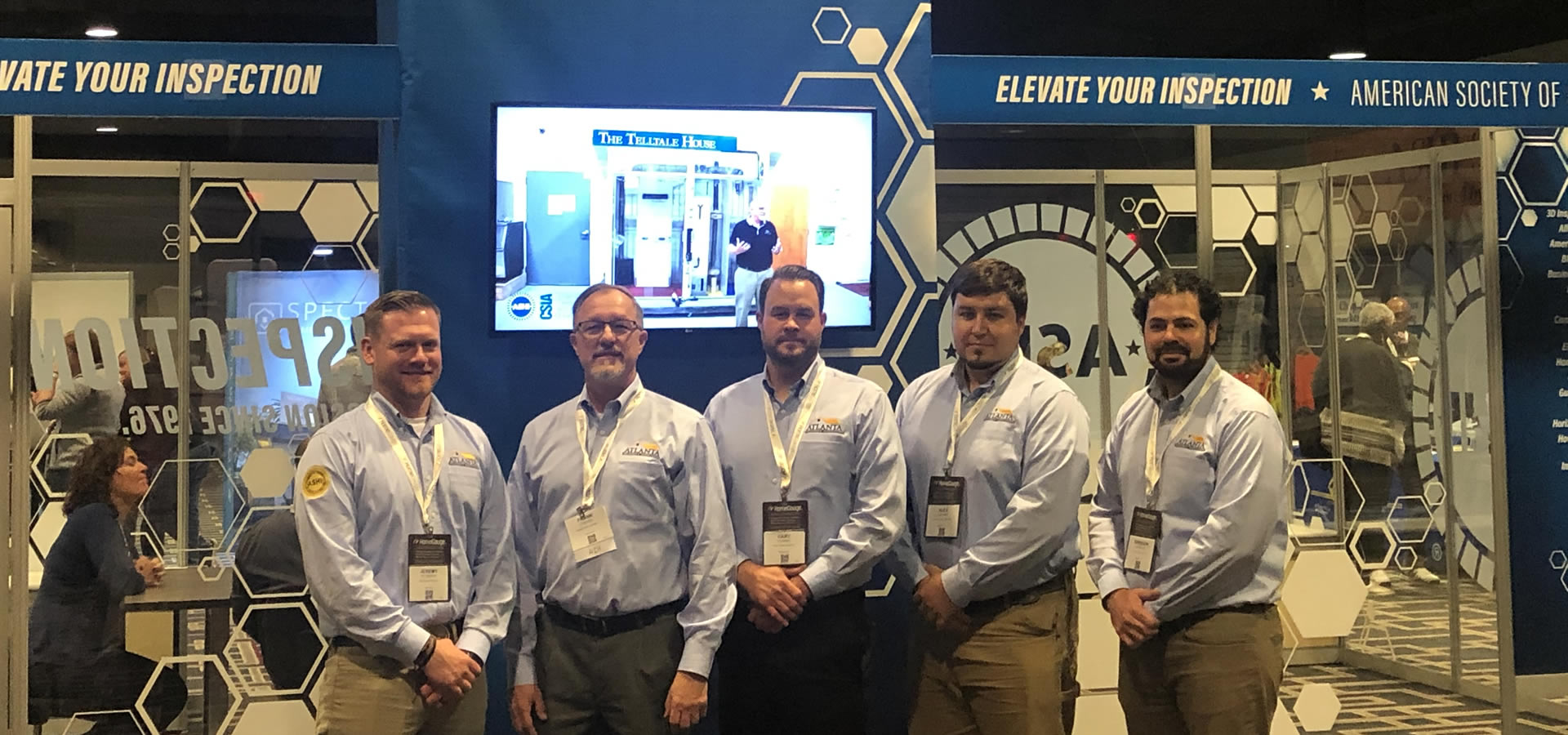

We’ve partnered with one of the leading pest control companies, Northwest Exterminators, to provide…
Read More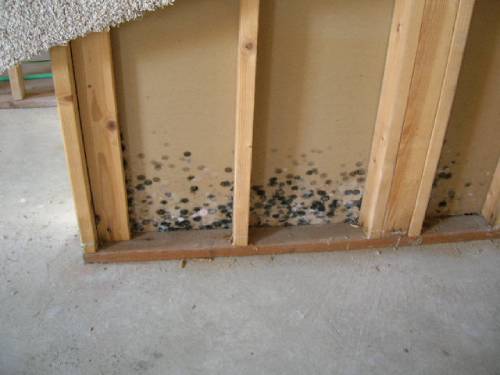
Mold is another scary threat to your family’s safety. No one wants to buy a house with a mold problem.…
Read More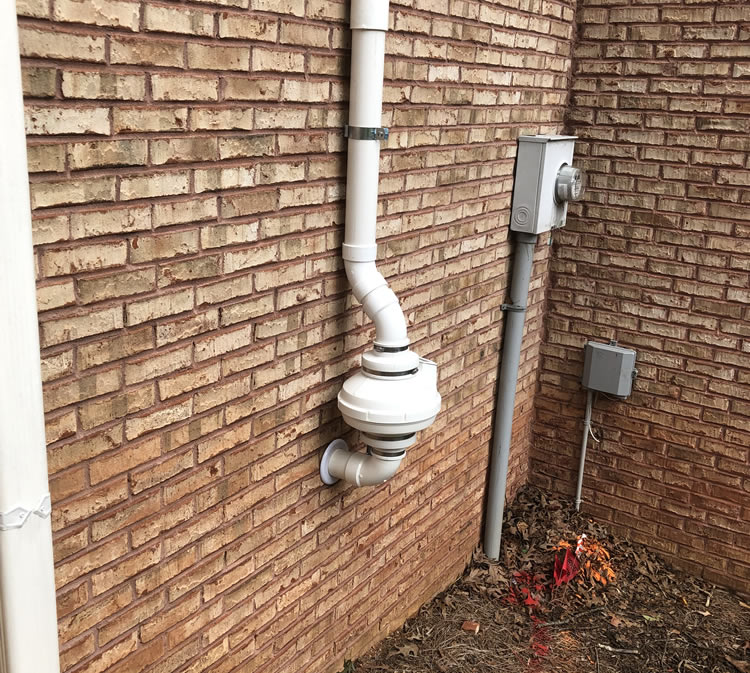
You have probably heard of termite testing for homes, but do you know the importance of a radon inspection?…
Read More
My client used the company for their home inspection during their due diligence period. Jeremy and his partner were very kind and accommodating with answering questions. The report was very thorough and I like that they also note positive things about the homes in their report as well and not just what's wrong with the house. You can read the good and the bad.
We are relocating from out of state and we were in need of an inspection with a very tight turn around. We received incredibly thorough reporting and an availability to answer questions quickly. Cary Cooper’s professional and expert insight saved us from a potential health hazard. I would very much recommend Atlanta Property Inspection for any of your inspection needs!
Dustin is VERY Detailed Oriented and found items and suggestions on the home that I would have never thought of, the report provided very good insight on how to move forward with the sale of the home! The staff at API was great to work with!
Dustin was absolutely amazing. He did such a thorough job and was super friendly and helpful in explaining everything to me as a first-time homeowner. Highly recommend this company! Very timely and professional throughout the entire process as well!
Frank Cooper and his team from Atlanta Property Inspections, Inc were excellent! They arrived on time and thoroughly inspected all areas of the property I was considering renting. They found things that needed to be repaired by the landlord before we signed the lease. Frank reviewed his findings with us. He explained all of his concerns, and he patiently answered all of our questions. Then the next day I received a very detailed report that included several pictures and detailed explanations. If you want a kind, knowledgeable, and thorough inspector, don’t hesitate to call Frank Cooper with Atlanta Property. I would highly recommend him! Truly a 5 star company!
Atlanta property inspections gave me a very competitor quote and stuck to it for final pricing. They were able to get someone out to do the inspection so quickly. Frank and James were very thorough and helpful during the process they encouraged me to look at what they found, the good and bad, so I knew exactly what I am buying. I couldn't have asked for a better inspection experience!
I would like to recommend Brandon for his excellent job during the inspection. He is very professional, thorough and is an expert in his field. I enjoyed his partnership during inspection, the knowledge he shared of the risks of certain issues was incredible. I am very glad that he inspected the house for us and wishing him more success in future.
WOW! I can't even make this story up. In this very crazy market (June 2021) it seemingly takes 2 week closing (sometimes with *0* days due diligence!) to purchase a home. Anyway, Frank came recommended by another very reputable inspector, and I was fortunate he came!! The home we were looking at for my mother was a 1975 build and within 1 hour of the inspector being there a FIRE from an electrical panel broke out! Frank contained the fire, and was SO calm, had his team address the matter, was in touch with the agent and homeowner. He said in over 20+ years of him inspecting homes nothing like this had ever happened. Anyway the inspection was VERY thorough and Frank handled all matters very professionally. We will be working with Frank and his team on any home inspections in the future. I highly recommend!
Dustin was very knowledgeable and friendly and made my client feel confident in his explanations. He was quick to point out the positives of the home he was inspecting. His report was delivered within 18 hours of the inspection and had plenty of photos and very easy explanations in laymen's terms. I highly recommend Atlanta Property Inspections.
Thorough knowledge of items addressed in report. Home inspector was able to communicate any issues found with buyer and help explain the different items and their severity.
02 2026
Buying a home moves fast, and in a competitive market, the pressure to waive contingencies can feel like the only way to get an offer accepted. Deciding to skip a home inspection might win you the deal in the short term, but it removes the one opportunity you have to find out what you're buying before the paperwork is signed. Atlanta Property Inspections has talked to enough buyers after the fact to know how quickly that decision can become one of the most expensive regrets of homeownership. Keep reading to find out what an inspection catches and what it costs when those things go undetected.
A home inspection isn't just a quick walkthrough. A licensed inspector works through the property systematically, checking the structure, systems, and components that determine whether a house is safe and functional. That includes the roof, foundation, electrical panel, plumbing, HVAC equipment, insulation, windows, doors, and drainage around the exterior.
Home inspectors in Cumming, GA document what they see in real time. They note the age and condition of major systems, flag anything that deviates from standard installation practices, and find items that present a safety hazard or point to a larger problem. A cracked heat exchanger in the furnace, double-tapped breakers in the panel, and poor attic ventilation are all serious concerns that come with costs.
The written report that follows gives you a complete picture of the property's condition, organized by system. You know what needs immediate attention, what will need repair or replacement in the next few years, and what a seller may have missed or chosen not to mention.
The issues that cost buyers the most money are also the ones hardest to detect without a professional. Foundation movement, active roof leaks, failing HVAC equipment, aluminum wiring, knob-and-tube electrical systems, and evidence of water intrusion in crawl spaces or basements can't be seen easily during a showing. They pop up under insulation and behind drywall.
Foundation repairs in the Atlanta area can run from a few thousand dollars for minor crack stabilization to $30,000 or more for severe structural work. A roof replacement on a mid-size home typically runs between $10,000 and $20,000, depending on material and pitch. HVAC system replacement averages $6,000 to $12,000.
A home inspection company will help you find these problems so they don't become your full financial responsibility. When you waive this step, you're absorbing the risk of every unknown defect with no leverage to get it taken care of.
The inspection report is a negotiating tool. Buyers use it to request repairs, ask for a price reduction, or negotiate a credit at closing to cover known repair costs. Without one, you have no documented basis for any of these conversations once the sale closes.
Some defects discovered after closing can support legal action if a seller knowingly concealed them. But litigation is expensive, slow, and uncertain. Sellers are required to disclose known material defects in Georgia, but disclosure laws don't cover what a seller claims not to have known. An inspection report converts unknown conditions into documented facts and gives you standing to negotiate.
Without an inspection, you close on the property as-is. Any defect discovered the week after closing is now your repair bill. You have no inspection report to reference or recourse tied to the condition of the property at the time of sale.
The financial impact of skipping an inspection compounds quickly. A slow roof leak that goes undetected doesn't stay contained to the roof. Water enters the attic, saturates the insulation, damages the decking, and works its way into the ceiling structure. What starts as a $1,500 flashing repair becomes a $15,000 remediation project that includes mold removal and ceiling replacement.
Plumbing failures are similar. A pinhole leak in a copper supply line can go unnoticed for months while it causes wood rot, subfloor damage, and mold growth inside walls. Electrical deficiencies with older wiring types or improper DIY work create fire hazards that may not be visible at all during a standard showing.
Home inspectors are trained to identify the early indicators of these failure points before they get worse. The cost of a professional inspection is a fixed number, but the cost of skipping one depends on what's hiding in the house. Unfortunately, you won't know that until something fails.
New construction comes with a builder's warranty, and buyers assume that means the home was built correctly. It doesn't. Builder warranties cover defects that develop after you move in, but they don't prevent the defects from existing in the first place. Construction quality varies by builder, subcontractor, and how closely the work was supervised.
Common issues that are found in new construction include improper grading that directs water toward the foundation, missing insulation in framing cavities, HVAC ductwork that wasn't sealed, incorrectly installed flashing, and electrical or plumbing work that doesn't meet code. Municipal inspectors review new construction, but they aren't walking the roof or pulling open every access panel.
A home inspection company provides an independent set of eyes that works for you instead of the builder. Scheduling an inspection before your final walkthrough gives you time to require corrections while the builder is still under contract to make them.
The inspection period exists to give you accurate information about the property before you commit to it. Skipping it doesn't save you money. It delays the point at which you find out what the house needs. Atlanta Property Inspections provides detailed inspections for buyers, sellers, and new construction clients across the Atlanta area. Our reports are built to give you the information you need to make a confident decision. Schedule your inspection before closing.



.jpg)