Understand what a standard home inspection includes and which issues require specialized testing, from…
Read More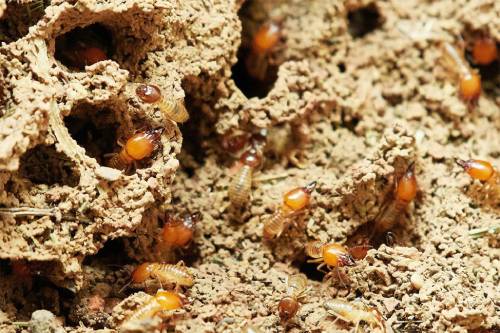
We’ve partnered with one of the leading pest control companies, Northwest Exterminators, to provide…
Read More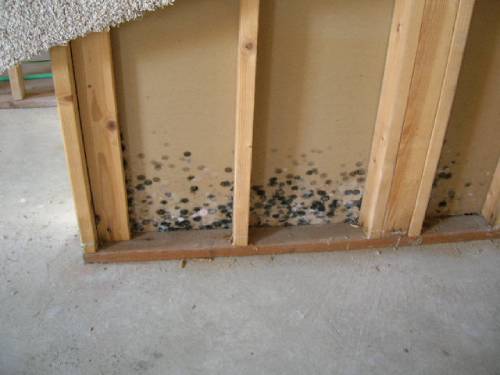
Mold is another scary threat to your family’s safety. No one wants to buy a house with a mold problem.…
Read More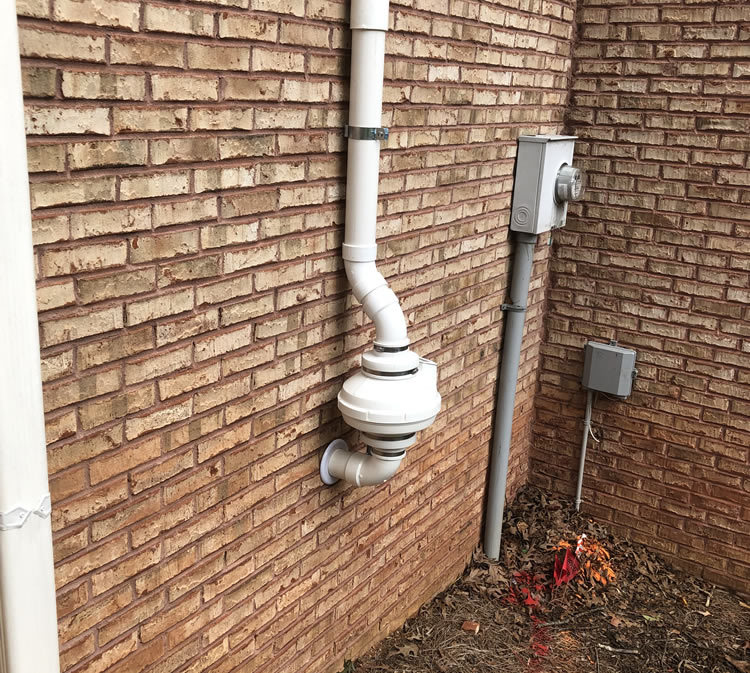
You have probably heard of termite testing for homes, but do you know the importance of a radon inspection?…
Read More
Atlanta Property Inspections, Inc. was referred to us by our realtor for our home inspection. Our inspector was Cary Cooper. He really took the time to answer all of our questions about his findings. We didn't feel rushed or that any question was too silly. He gave us peace of mind with a few of our concerns and was honest, even if we weren't to thrilled with the news. Overall, it was a great experience and we would definitely use (and refer) Atlanta Property Inspections, Inc. in the future for any inspection needs.
I called several companies for quotes, and I felt that Atlanta Property Inspections was the most welcoming! Thereafter, I had a wonderful experience at the inspection. My inspector was thorough, kind, and willing to explain things and answer my questions on site. He was very knowledgeable and very friendly. I am glad I did not skip the inspection for this 950 square foot condo, and the review has been very helpful, during my due diligence period in evaluating this potential home.
This was my first experience with Atlanta Property Inspections. Alex Sozonov was my inspector. Very oriented details and willing to explained all questions with professional knowledge. Report came into my email box late night. Clearly, it has been covered all details. Plus, show up on time.
The inspector Frank came to our house to inspect the deck and provide a list of safety problems. While he was there we asked him to take a look at some termite damage in the attic. When he went to the attic he spotted problems with a squirrel infestation requiring immediate action to correct for chewed wiring and unsanitary conditions. We were unaware of this problem. Frank provided a comprehensive inspection report in PDF format including multiple photos showing deck post deterioration, sagging joists and yes even a picture of the live squirrel in the attic. Frank is totally professional, knows his area of expertise very well and offers sound recommendations on how to correct problems without spending money for unnecessary improvements. For example he told us the ledger board was in good shape and did not have to be replaced, only secured to the house wall with additional bolts. The small amount we paid for the inspection was well spent because the inspection will end up saving us money in the long run.
Atlanta Property Inspections came to do a pre-purchasing inspection on a home my husband and I plan to buy! We had a very short due diligence period, but that was no issue for these guys. They fit us in their schedule on very short notice and were such a pleasure to work with. Cary and Riley came to do the inspection and did a fantastic job walking us through the inspection to let us know what they found, and suggestions on how to fix all of the issues! Shout out to Cary, for answering all of our questions and having such a great personality! We truly appreciate you guys taking the time to help us through such a very stressful time. We HIGHLY recommend this company!
Atlanta property inspections gave me a very competitor quote and stuck to it for final pricing. They were able to get someone out to do the inspection so quickly. Frank and James were very thorough and helpful during the process they encouraged me to look at what they found, the good and bad, so I knew exactly what I am buying. I couldn't have asked for a better inspection experience!
I have hired this company doing inspection on the property that I was planning to purchase in Georgia. I’ve live in California when this was done. Frank Cooper and his team did a great job of inspection and giving me with every details. I really appreciate the advice and the report. Thank you
Have used Atlanta Property Inspections several times for my buyers. Their team is always very thorough and educational for the new home owners. Much information is shared about past/current codes, potential issues and how to have the issues repaired. I will continue to use Atlanta Property Inspectors for future inspections, and my clients have been very happy with their services as well!
Dustin was very knowledgeable and friendly and made my client feel confident in his explanations. He was quick to point out the positives of the home he was inspecting. His report was delivered within 18 hours of the inspection and had plenty of photos and very easy explanations in laymen's terms. I highly recommend Atlanta Property Inspections.
Thorough knowledge of items addressed in report. Home inspector was able to communicate any issues found with buyer and help explain the different items and their severity.

12 2026
When buying or selling a home, a home inspection in Atlanta, GA is one of the most critical steps in the process. It uncovers hidden structural, mechanical, and safety issues before you close the deal. A thorough home inspection exposes hidden problems, provides negotiation leverage, and saves you money long-term.
At Atlanta Property Inspections, we follow a detailed process to make sure our customers understand the condition of a property. When you’re looking for a trusted home inspection company, we are the experts to call. In this guide, you’ll learn what is covered in a standard home inspection checklist.
The inspection typically begins with the home's structural elements. This can include the foundation, framing, floors, walls, ceilings, and other accessible structural components. Inspectors look for visible signs such as cracking, movement, moisture damage, or deterioration. Not every structural concern can be identified during a visual inspection, particularly when portions of the structure are concealed behind finished surfaces.
The roof is another major part of the checklist. An inspector may examine accessible roofing materials, flashing, gutters, downspouts, vents, and other visible components. The exterior inspection can include siding, trim, doors, windows, decks, porches, balconies, attached structures, and grading around the property. Inspectors may note damaged materials, poor drainage patterns, deterioration, or conditions that could allow water to enter the home.
A standard inspection reviews accessible plumbing components, including supply and drain pipes, faucets, fixtures, water heaters, and visible valves. Inspectors may operate fixtures and look for leaks, drainage problems, inadequate flow, or other observable issues. The inspection is not usually an examination of every pipe concealed within walls, floors, or underground areas.
Electrical components are also reviewed for visible safety and functional concerns. This may include the service equipment, panels, wiring that is accessible, outlets, switches, and certain protective devices. An inspector may test representative outlets and switches and look for conditions such as damaged components, improper wiring, missing covers, or other observable deficiencies.
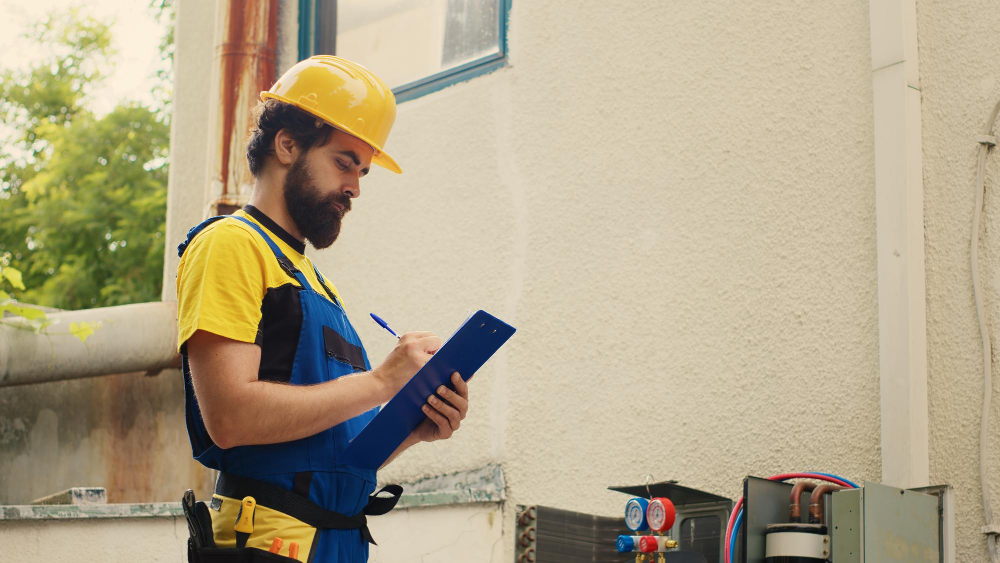
The home's heating and cooling equipment is generally included as well. Depending on the property and system, the inspection may cover furnaces, air-conditioning equipment, thermostats, accessible ductwork, and ventilation components.
The inspector evaluates the system's observable condition and operation at the time of inspection. A standard inspection does not normally involve taking equipment apart to diagnose internal mechanical problems.
Inside the home, the checklist can cover walls, ceilings, floors, doors, windows, stairs, railings, cabinets, countertops, and other accessible components. Bathrooms and kitchens receive attention as well. Home inspectors may operate plumbing fixtures, check visible areas beneath sinks, test appliances included within the inspection scope, and note signs of leaks or damage.
Accessible attic spaces, basements, and crawl spaces can reveal problems that are not obvious from living areas. Inspectors may look for moisture intrusion, inadequate ventilation, insulation concerns, visible structural issues, and signs of pests or deterioration. Accessibility matters. If an area cannot be safely or reasonably entered, it may be excluded from the inspection.
A home inspection handled by experts allows you to identify hidden problems, gives you negotiating power, and provides an escape hatch if the property has major flaws. Whether you’re buying an older home or a new one, having a professional home inspection company review the property is a smart decision. At Atlanta Property Inspections, we are a team of local home inspectors with over 25 years of experience in the industry and countless satisfied customers. Our inspectors are licensed, experienced, and dedicated to excellence. Contact us now to request an appointment!