We’ve partnered with one of the leading pest control companies, Northwest Exterminators, to provide…
Read More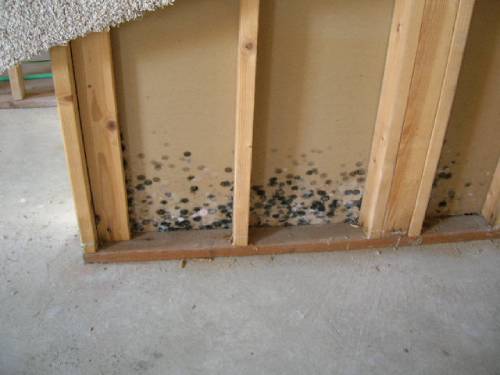
Mold is another scary threat to your family’s safety. No one wants to buy a house with a mold problem.…
Read More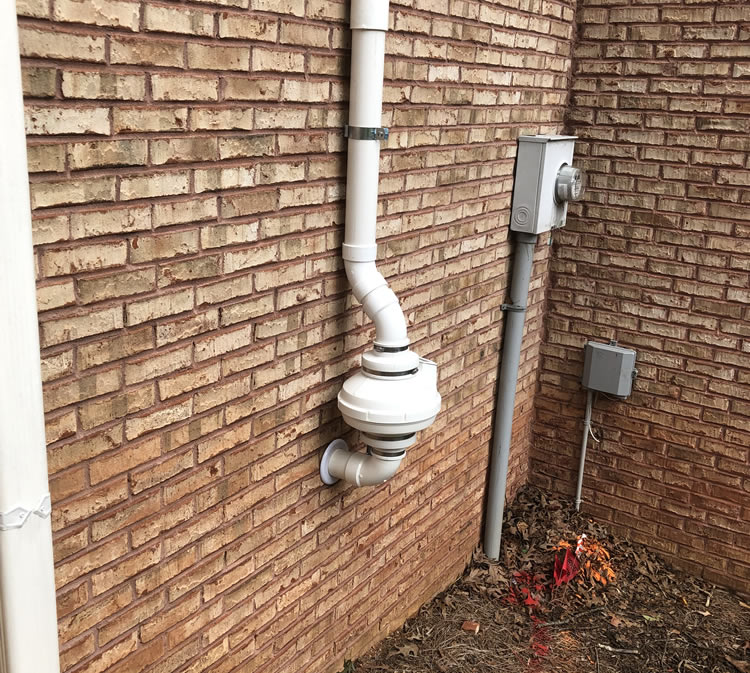
You have probably heard of termite testing for homes, but do you know the importance of a radon inspection?…
Read More
This was my first experience with Atlanta Property Inspections. Alex Sozonov was my inspector. Very oriented details and willing to explained all questions with professional knowledge. Report came into my email box late night. Clearly, it has been covered all details. Plus, show up on time.
The inspector was really thorough and was patient in explaining to me what he was observing. He showed me where the shutoff valve was for the water and gave recommendations on various things. The report that was provided made sense and pictures were taken of some things that were found. The inspector was also very personable which put me at ease about asking questions. Thank you, Alex and Atlanta Property Inspections!
WOW! I can't even make this story up. In this very crazy market (June 2021) it seemingly takes 2 week closing (sometimes with *0* days due diligence!) to purchase a home. Anyway, Frank came recommended by another very reputable inspector, and I was fortunate he came!! The home we were looking at for my mother was a 1975 build and within 1 hour of the inspector being there a FIRE from an electrical panel broke out! Frank contained the fire, and was SO calm, had his team address the matter, was in touch with the agent and homeowner. He said in over 20+ years of him inspecting homes nothing like this had ever happened. Anyway the inspection was VERY thorough and Frank handled all matters very professionally. We will be working with Frank and his team on any home inspections in the future. I highly recommend!
Jeremy was the best to work with! He was on time, very thorough in his explanations of his findings, and took time with my clients to make sure he answered all of their questions. He was detailed, and provided follow up when we needed additional questions answered. He went above and beyond! Best, quality, customer service I’ve seen in a long time! I’ll recommend him and Atlanta Property Inspections every time!
Dustin was absolutely amazing. He did such a thorough job and was super friendly and helpful in explaining everything to me as a first-time homeowner. Highly recommend this company! Very timely and professional throughout the entire process as well!
We are relocating from out of state and we were in need of an inspection with a very tight turn around. We received incredibly thorough reporting and an availability to answer questions quickly. Cary Cooper’s professional and expert insight saved us from a potential health hazard. I would very much recommend Atlanta Property Inspection for any of your inspection needs!
I would like to recommend Brandon for his excellent job during the inspection. He is very professional, thorough and is an expert in his field. I enjoyed his partnership during inspection, the knowledge he shared of the risks of certain issues was incredible. I am very glad that he inspected the house for us and wishing him more success in future.
Atlanta property inspections gave me a very competitor quote and stuck to it for final pricing. They were able to get someone out to do the inspection so quickly. Frank and James were very thorough and helpful during the process they encouraged me to look at what they found, the good and bad, so I knew exactly what I am buying. I couldn't have asked for a better inspection experience!
Thorough knowledge of items addressed in report. Home inspector was able to communicate any issues found with buyer and help explain the different items and their severity.
Frank Cooper and his team from Atlanta Property Inspections, Inc were excellent! They arrived on time and thoroughly inspected all areas of the property I was considering renting. They found things that needed to be repaired by the landlord before we signed the lease. Frank reviewed his findings with us. He explained all of his concerns, and he patiently answered all of our questions. Then the next day I received a very detailed report that included several pictures and detailed explanations. If you want a kind, knowledgeable, and thorough inspector, don’t hesitate to call Frank Cooper with Atlanta Property. I would highly recommend him! Truly a 5 star company!
27 2026
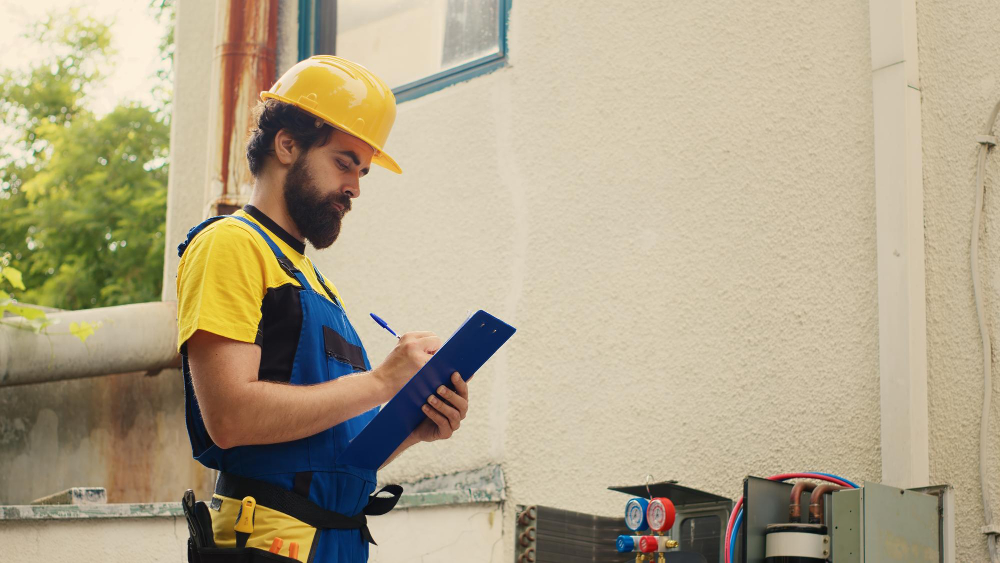
It shouldn’t come as a surprise that buying a home is one of the most significant purchases you’ll ever make. Whether you’re eyeing a classic historic home in a tree-lined street or a modern home constructed recently, understanding the home inspection in Atlanta, GA can save you a lot of money and give you invaluable peace of mind.
The job of a home inspector is to evaluate a property’s physical condition and check major systems like HVAC, plumbing, and electrical before writing a detailed report. But what exactly goes into the process?
If you’re curious about what goes into a standard home inspection, you’ve come to the right place. In this post, the home inspectors at Atlanta Property Inspections look into what a typical home inspection covers and what requires a special test. We are a reputable home inspection company with over 25 years of hands-on experience.
A standard home inspection is basically a comprehensive visual evaluation of your home's major systems. The inspector examines areas that are safely accessible and looks for signs of damage, wear, poor workmanship, and safety concerns. They will inspect the roof, foundation, walls, ceilings, floors, doors, windows, attic, insulation, plumbing fixtures, electrical components, heating and cooling systems, and built-in appliances. They also check the home's exterior, including drainage around the foundation and visible structural components.
The goal is to identify existing defects and point out areas that may need repairs or closer attention. At the end of the inspection, you'll receive a detailed report explaining the inspector's findings and recommendations.
During a standard inspection, the plumbing system is evaluated by running faucets, flushing toilets, checking water pressure, and looking for visible leaks around sinks, tubs, and exposed pipes. Water heaters are also inspected for proper operation and signs of deterioration. However, a home inspector cannot see what’s going on inside underground utility plumbing. That’s why we recommend scheduling a separate sewer camera inspection if hidden plumbing issues are suspected.
Apart from plumbing inspections, the inspector evaluates the condition of the electrical system, HVAC system, and roofing. You’ll get a detailed report outlining the exact condition of these components so that you can make an informed decision.
One of the biggest misconceptions about home inspections is that they reveal every possible issue. In reality, some problems simply cannot be detected during a visual inspection. They require a special test by specific specialists.
For example, radon gas cannot be seen or smelled and requires specialized monitoring equipment. Mold testing often involves air sampling and laboratory analysis to determine whether harmful spores are present. Homes built before the late 1970s may require lead paint testing, while older building materials sometimes need laboratory testing to confirm the presence of asbestos.
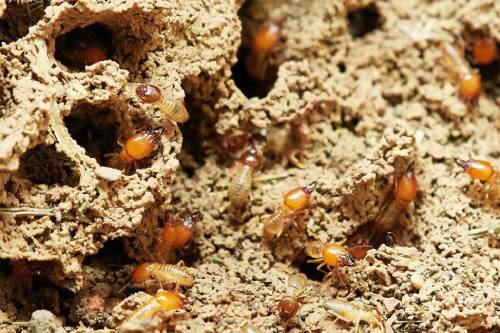
Likewise, termite activity is usually evaluated during a separate wood-destroying insect inspection performed by a licensed pest professional. If the property relies on a private well, water quality testing is also recommended to check for bacteria, nitrates, heavy metals, and other contaminants.
A home inspection is the buyer’s final chance to find out if they are getting a good deal or not. And it allows the seller to address any existing problems and negotiate with the buyer with facts on the table. If you’re looking for a trusted home inspection company, reach out to Atlanta Property Inspections. Contact us today to book an appointment for a home inspection or even to get more information on the services we offer. Let us know how we can assist you. We look forward to hearing from you!