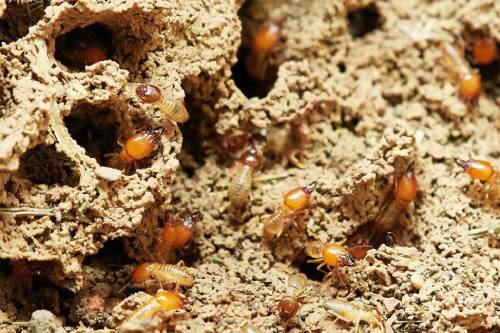
We’ve partnered with one of the leading pest control companies, Northwest Exterminators, to provide…
Read More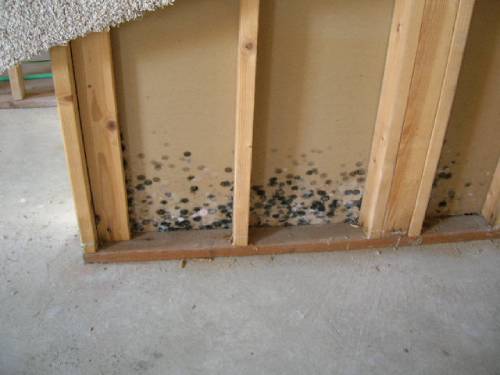
Mold is another scary threat to your family’s safety. No one wants to buy a house with a mold problem.…
Read More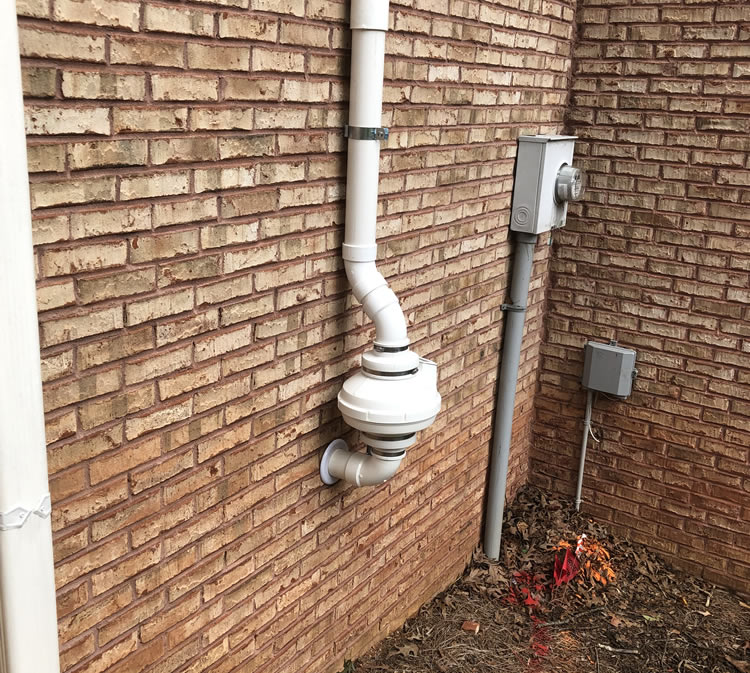
You have probably heard of termite testing for homes, but do you know the importance of a radon inspection?…
Read More
Thorough knowledge of items addressed in report. Home inspector was able to communicate any issues found with buyer and help explain the different items and their severity.
We are relocating from out of state and we were in need of an inspection with a very tight turn around. We received incredibly thorough reporting and an availability to answer questions quickly. Cary Cooper’s professional and expert insight saved us from a potential health hazard. I would very much recommend Atlanta Property Inspection for any of your inspection needs!
Atlanta Property Inspections came to do a pre-purchasing inspection on a home my husband and I plan to buy! We had a very short due diligence period, but that was no issue for these guys. They fit us in their schedule on very short notice and were such a pleasure to work with. Cary and Riley came to do the inspection and did a fantastic job walking us through the inspection to let us know what they found, and suggestions on how to fix all of the issues! Shout out to Cary, for answering all of our questions and having such a great personality! We truly appreciate you guys taking the time to help us through such a very stressful time. We HIGHLY recommend this company!
WOW! I can't even make this story up. In this very crazy market (June 2021) it seemingly takes 2 week closing (sometimes with *0* days due diligence!) to purchase a home. Anyway, Frank came recommended by another very reputable inspector, and I was fortunate he came!! The home we were looking at for my mother was a 1975 build and within 1 hour of the inspector being there a FIRE from an electrical panel broke out! Frank contained the fire, and was SO calm, had his team address the matter, was in touch with the agent and homeowner. He said in over 20+ years of him inspecting homes nothing like this had ever happened. Anyway the inspection was VERY thorough and Frank handled all matters very professionally. We will be working with Frank and his team on any home inspections in the future. I highly recommend!
I have hired this company doing inspection on the property that I was planning to purchase in Georgia. I’ve live in California when this was done. Frank Cooper and his team did a great job of inspection and giving me with every details. I really appreciate the advice and the report. Thank you
Jeremy was the best to work with! He was on time, very thorough in his explanations of his findings, and took time with my clients to make sure he answered all of their questions. He was detailed, and provided follow up when we needed additional questions answered. He went above and beyond! Best, quality, customer service I’ve seen in a long time! I’ll recommend him and Atlanta Property Inspections every time!
My client used the company for their home inspection during their due diligence period. Jeremy and his partner were very kind and accommodating with answering questions. The report was very thorough and I like that they also note positive things about the homes in their report as well and not just what's wrong with the house. You can read the good and the bad.
I called several companies for quotes, and I felt that Atlanta Property Inspections was the most welcoming! Thereafter, I had a wonderful experience at the inspection. My inspector was thorough, kind, and willing to explain things and answer my questions on site. He was very knowledgeable and very friendly. I am glad I did not skip the inspection for this 950 square foot condo, and the review has been very helpful, during my due diligence period in evaluating this potential home.
Atlanta property inspections gave me a very competitor quote and stuck to it for final pricing. They were able to get someone out to do the inspection so quickly. Frank and James were very thorough and helpful during the process they encouraged me to look at what they found, the good and bad, so I knew exactly what I am buying. I couldn't have asked for a better inspection experience!
Dustin was absolutely amazing. He did such a thorough job and was super friendly and helpful in explaining everything to me as a first-time homeowner. Highly recommend this company! Very timely and professional throughout the entire process as well!
.jpg)
30 2026
A home inspection in Atlanta, GA is designed to help you find hidden problems, identify safety hazards, and make an informed decision. In any given home, no matter when it was built, it’s common to find issues that need to be addressed before closing the deal. That said, there are simple, low-cost fixes that buyers should expect. Examples include cracked caulk, hairline drywall cracks, or worn weatherstripping. However, there are inspection findings that you shouldn’t ignore. For example, foundation cracks can indicate that the house is shifting or settling unevenly.
Here are the top 5 major problems that our home inspectors at Atlanta Property Inspections see on a regular basis that should concern you.
Foundation issues are among the most expensive problems a homeowner can face. While small hairline cracks are often normal, large cracks, uneven floors, sticking doors, or walls that appear to bow inward may indicate structural movement.
Foundation repairs can range from relatively minor fixes to major reconstruction, depending on the severity of the damage. If a home inspection uncovers structural concerns, it's wise to have a structural engineer perform a more detailed evaluation before finalizing the purchase.
A roof protects every part of a home, so its condition should never be overlooked. Missing shingles, soft spots, sagging sections, or signs of active leaks can indicate significant problems.
Even if the roof isn't currently leaking, an older roof nearing the end of its lifespan may require replacement soon after you move in. Knowing the roof's age and expected remaining life helps you budget for future expenses and avoid unpleasant surprises.
Plumbing issues can be much more serious than a dripping faucet. Inspectors may discover leaking pipes, low water pressure, corroded plumbing, outdated materials, or evidence of hidden water damage.
Water stains, mold growth, or signs of previous leaks may suggest ongoing plumbing problems behind walls or beneath floors. In older homes, aging water supply or sewer lines could require significant repairs or replacement, making further evaluation worthwhile before closing. It’s best to work with a qualified plumber to uncover hidden plumbing issues before buying.
Outdated or improperly installed electrical systems can present both safety hazards and expensive repair costs. Common inspection findings include overloaded electrical panels, exposed wiring, missing grounding, or outdated components that no longer meet modern safety standards.
Electrical deficiencies should always be evaluated by a licensed electrician. In some cases, repairs are relatively straightforward, while older homes may require extensive upgrades to safely support today's electrical demands. For example, an older home needs whole-house rewiring to improve safety and functionality.
Water is one of the biggest threats to a home's long-term condition. Poor drainage around the property, basement moisture, roof leaks, or plumbing leaks can all contribute to mold growth and structural damage.
Home inspectors often look for musty odors, water stains, damaged drywall, and signs of excessive humidity. It's also important to examine grading around the home to ensure rainwater drains away from the foundation instead of collecting nearby.
Buying a home is an exciting milestone, but it is not a light undertaking. Scheduling a home inspection with a professional company is a great way to ensure you do not get a raw deal. The best way to avoid buyer’s remorse is to work with a dependable home inspection company. Atlanta Property Inspections is the name you can trust when you need a team of licensed home inspectors. We have over 25 years of experience providing in-depth home inspection services. Call us now!